Building the Products Behind Modern Business
Product development brings together technology, design and commercial strategy to create solutions that solve real problems for users. Across the Netherlands, organisations are investing in digital products, AI-powered experiences and customer-centric platforms that create measurable value for both customers and businesses. As a result, demand continues to grow for professionals who can identify opportunities, shape product direction and bring new ideas to market.
Whether your expertise lies in product management, product design, product engineering or product leadership, we connect product professionals with organisations where they can influence strategy, improve customer experiences and build products that make a meaningful impact at scale.
Kickstart your career in Product
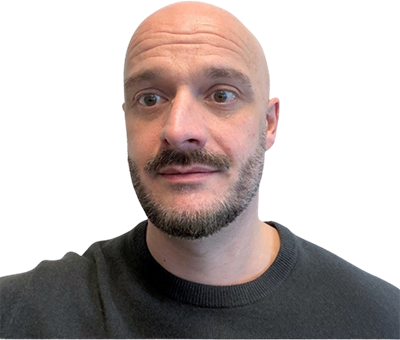
Expert advice from Associate Director, Mark Priems
Product roles reward depth in a craft and the range to connect it to customers, technology and the business. The skills that matter depend on where you sit in product, but the strongest candidates build range beyond their own strand:
- Product management and leadership: strategy, roadmapping, prioritisation, stakeholder communication and commercial awareness, plus coaching and team-building for senior roles
- Product design: user research, prototyping, design systems and accessibility, with the ability to defend design decisions with data
- Product engineering, including full stack and AI: full stack development, APIs, testing and delivery, plus designing and evaluating AI-powered features
- Across all three: data and experimentation, agile delivery, and awareness of the rules that shape what you can build, such as DORA in fintech and the AVG for personal data
Product careers in the Netherlands offer strong earning potential, particularly as responsibilities expand from feature delivery into product strategy, commercial impact and team leadership. Salaries typically range from the high €40,000s for Product Engineers and AI-focused engineering roles, through to around €59,000 for Senior Product Designers, €68,000 for Product Managers, €83,000 for Senior Product Managers and approximately €110,000 for Heads of Product, with significant variation depending on sector, company stage and scope of responsibility. Here’s a breakdown:
| Seniority Level | Typical Permanent Salary |
| Full Stack Product Engineer (Full Stack Developer, all stacks) | €32,000 - €77,000 |
| AI Product Engineer (Machine Learning Engineer) | €36,000 - €73,000 |
|
Senior Product Designer (Senior UX Designer, UX design skills) |
€49,000 - €79,000 |
| Product Manager (Product Manager, Software) | €40,000 - €90,000 |
| Senior Product Engineer (Senior Software Engineer, all stacks) | €54,000 - €113,000 |
| Senior Product Manager / Senior Manager, Product Development | €56,000 - €115,000 |
| Head of Product (Product Management Director) | €61,000 - €161,000 |
The Dutch freelance market remains well established for PHP developers, with contractors typically working on an hourly-rate basis. Market rates generally sit between €70 and €95 per hour, with web development specialists often averaging around €73 per hour and broader software engineering professionals averaging closer to €94 per hour. Actual rates vary depending on experience, framework expertise and project complexity, with developers skilled in Laravel, Symfony, modern APIs and cloud-native development often commanding the strongest premiums.
Product opportunities can be found across the Netherlands' major technology hubs, each shaped by a different mix of industries and product challenges. Amsterdam remains the largest centre for fintech and digital product businesses, while Rotterdam continues to drive innovation across transport and logistics technology. The Utrecht region is home to a growing number of energy and sustainability platforms, and Eindhoven's startup ecosystem continues to create opportunities across software, mobility and deep-tech products.
Compensation varies significantly by role, seniority and business stage. Product Manager salaries typically range from €40,000 to €90,000, Senior Product Managers from €56,000 to €115,000, and Heads of Product from €61,000 to €161,000. While Amsterdam often attracts a modest premium, the most significant drivers of compensation tend to be product complexity, leadership responsibility and the commercial impact of the role. With hybrid working now common across the Dutch technology market, many product professionals are evaluating opportunities based on the products they want to build and the teams they want to work with, rather than location alone.
There is no single route into product. In fact, many of the strongest Product Managers, Product Designers and Product Engineers begin their careers in other disciplines before moving closer to product ownership and strategy.
Common progression routes include:
- From engineering - software engineers and product engineers often move towards broader product responsibilities, combining technical expertise with customer and business outcomes.
- From design and user experience - Product Designers, UX Designers and Researchers bring deep customer understanding and user-centred thinking into product decision-making.
- From delivery and analysis - Product Owners, Business Analysts and Agile professionals frequently transition into product management roles, particularly within larger organisations.
What matters most is rarely a specific qualification. Employers are typically looking for evidence that you can make decisions, influence outcomes and contribute to successful products. Experience launching features, working with customers, prioritising roadmaps or improving product performance will often carry more weight than formal credentials alone.
Certifications such as PSPO (Professional Scrum Product Owner) can be a useful addition, particularly for candidates moving into product from adjacent disciplines, while experience with AI-powered products and features is becoming increasingly valuable across the Dutch market.
Ultimately, the most successful product professionals are those who can combine customer insight, commercial thinking and technical understanding to deliver products that create measurable value.
Not necessarily. While Product Engineers are typically expected to have strong technical foundations, often gained through software engineering, computer science or hands-on development experience, the wider product market is far less defined by formal qualifications than many other technology disciplines.
For Product Managers, Product Designers and Product Leaders, employers are usually more interested in the products you've helped build, the decisions you've influenced and the outcomes you've delivered than the qualification listed on your CV. Many successful product professionals come from backgrounds in engineering, design, business analysis, delivery or customer-facing roles before moving into product.
What tends to matter most is evidence of impact: launching features, improving customer experiences, shaping product strategy or contributing to measurable business outcomes. Technical fluency remains important, particularly in technology-led organisations, but it does not always require a specific degree.
Career Progression in Product
Expert advice from CEO, Jonathan Ellerbeck

Product roles exist wherever software shapes the customer experience, and the Dutch market spans several strong sectors. These are the industries we recruit product talent across in the Netherlands:
- Fintech and financial services: payments, digital banking and risk tooling. The Netherlands has more than 850 active fintech companies, digital payments are its largest vertical, and DORA, in full application since January 2025, makes ICT risk management part of product thinking.
- Insurtech: policy, claims and distribution platforms, in a market where embedded finance is widening from payments into credit, insurance and data-powered services.
- E-commerce and retail: the Netherlands' strongest startup sector, ranked fifth globally and first in the EU, with product teams owning storefronts, checkout and personalisation.
- Greentech and energy: forecasting, digital twinning and software for energy hubs, as the energy system becomes smarter and more data-driven.
- Transport and logistics: port and logistics technology, including the automated terminals and multimodal networks behind Rotterdam's position as Europe's largest port
A trend we’ve noticed is that regulated, data-heavy sectors stand out, because the products carry real consequences if built badly. They tend to value product people who can combine technical depth with commercial and regulatory judgement.
Because product roles blend craft, technical understanding and commercial judgement, most employers test several things across the process. A typical process runs three to four stages: a screening call, a conversation with the hiring manager, a role-specific exercise, and a final panel or stakeholder conversation. The exercise varies by strand:
- Product managers and owners: a product case or prioritisation exercise, often a mix of strategy, analytical and behavioural questions.
- Product designers: a portfolio review and, often, a design exercise.
- Product and AI product engineers: a technical interview, and sometimes a take-home or system design task.
- Heads of product and senior managers: a strategy discussion and meetings with peers across engineering, design and commercial teams
In our experience, the case or presentation stage catches candidates out more often than the technical one. Employers are checking whether you can explain a decision clearly to someone who wasn't there, which is a different test from whether you made it well. Preparing a clear walkthrough of a product decision you owned, covering the problem, the trade-offs and the outcome, tends to make the biggest difference. It's also worth asking early whether the role is permanent or contract, and how many days are on site.
Start with what you want to spend your days doing, then build an edge that compounds. Product managers and owners decide what to build and why, product designers shape how it feels, and product engineers, including full stack and AI product engineers, build and ship it. Each strand of product rewards something different, here's how we think about the four:
- Product management: deciding what to build and why. You set strategy, own the roadmap and balance customer needs against commercial goals, so it suits people who enjoy prioritising, influencing and making judgement calls.
- Product development: leading how it gets built and delivered. You connect product plans to engineering capacity and release, keeping complex builds on track, so it suits people who enjoy coordination and making delivery run smoothly.
- Product design: shaping how it feels to use. You research users, prototype and build design systems, including accessibility, so it suits people who care about craft and user insight.
- Product engineering: building and shipping it. You work hands-on, including full stack and AI-powered features, close to customers and outcomes, so it suits people who want to build with a clear line of sight to impact.
Within each strand, an edge helps you stand out. Domain depth in a regulated sector such as fintech or insurtech, where DORA and the AVG shape what you can build, is one. AI product capability is another, as AI models become embedded in Dutch fintech and logistics products. Accessibility expertise is a third, now that it's a legal requirement for much consumer-facing work in the Netherlands. The best thing is - you don't need to choose forever. Pick the strand that fits how you like to work, then build one edge that makes you hard to replace. Our consultants can talk through which fits your background and the roles open now.
Product careers branch more than they climb, and most people choose between a few directions. Four paths come up most often:
- Senior individual contributor: deepening as a senior or principal product manager, designer or engineer, owning the hardest problems and mentoring others without managing a team.
- Product leadership: moving through group product manager and director roles to head of product, taking on strategy, team-building and commercial accountability.
- Across strands: product owners moving into product management, designers into design leadership or product management, and engineers into product engineering, AI product or product management as their remit widens.
- Domain specialist: building deep expertise in a regulated or data-heavy sector such as fintech or insurtech, or in AI-powered products, where judgement is as valuable as craft